Most furniture buying decisions come down to how a piece will be used, not how it looks in a photograph. Timber choice is where that decision is really made — it sets the weight, the price, how the piece ages, and how well it survives being lived with.
Solid pine
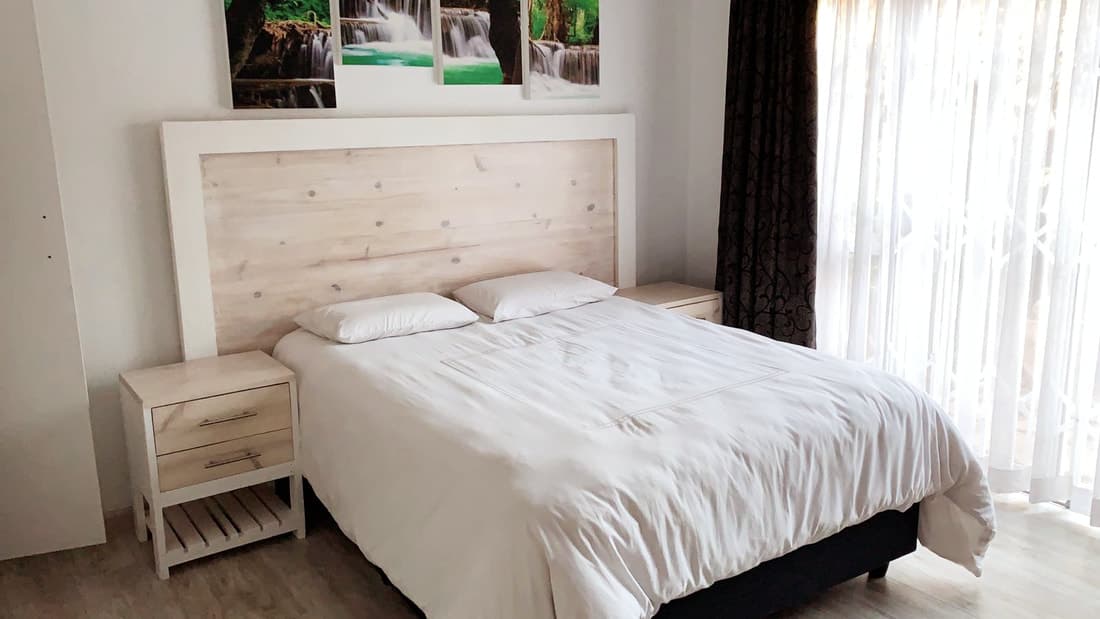
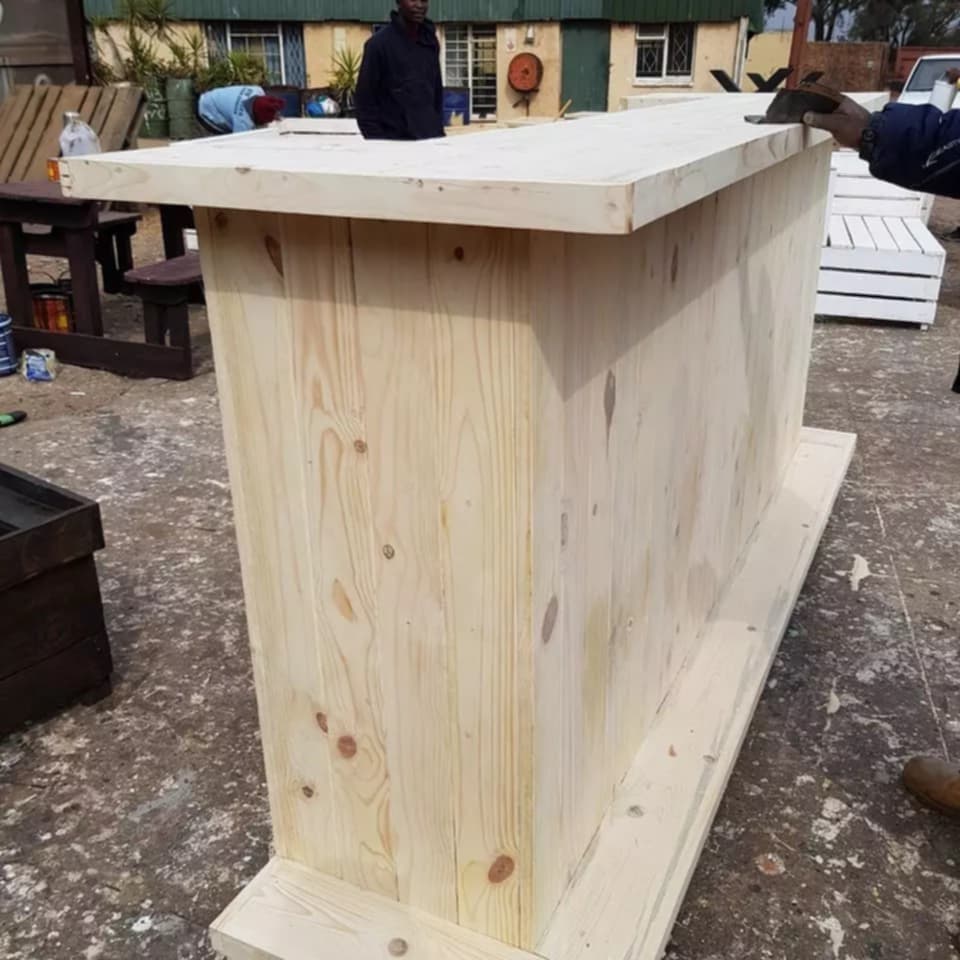
Pine is a softwood: light, affordable and easy to work. It takes stain and paint beautifully, which is why most painted furniture starts life as pine. The trade-off is hardness — pine dents. A pine dining table in a family home will pick up marks within a year. Some people love that; if you don't, choose a hardwood.
Solid oak
Oak is dense, heavy and strongly grained. It is the right answer for surfaces that take daily abuse: dining tables, desks, kitchen benches. It costs more and it is heavier to move, but it resists denting far better than pine and its grain hides small marks.
Meranti
A stable hardwood with a warm red tone. Meranti is a good middle ground for larger frames and beds where you want hardwood stability without oak's price or weight.
Reclaimed timber
Reclaimed boards carry visible history — nail holes, colour variation, old saw marks. No two pieces match, which is the point. Ask how the boards were treated and dried; reclaimed stock that hasn't been properly dried will move after it reaches your home.
The question worth asking
Before choosing, ask what the piece has to survive: children, direct sun, a humid room, or being moved often. Any honest manufacturer will tell you when the timber you like is wrong for the job. That conversation is worth more than a discount.